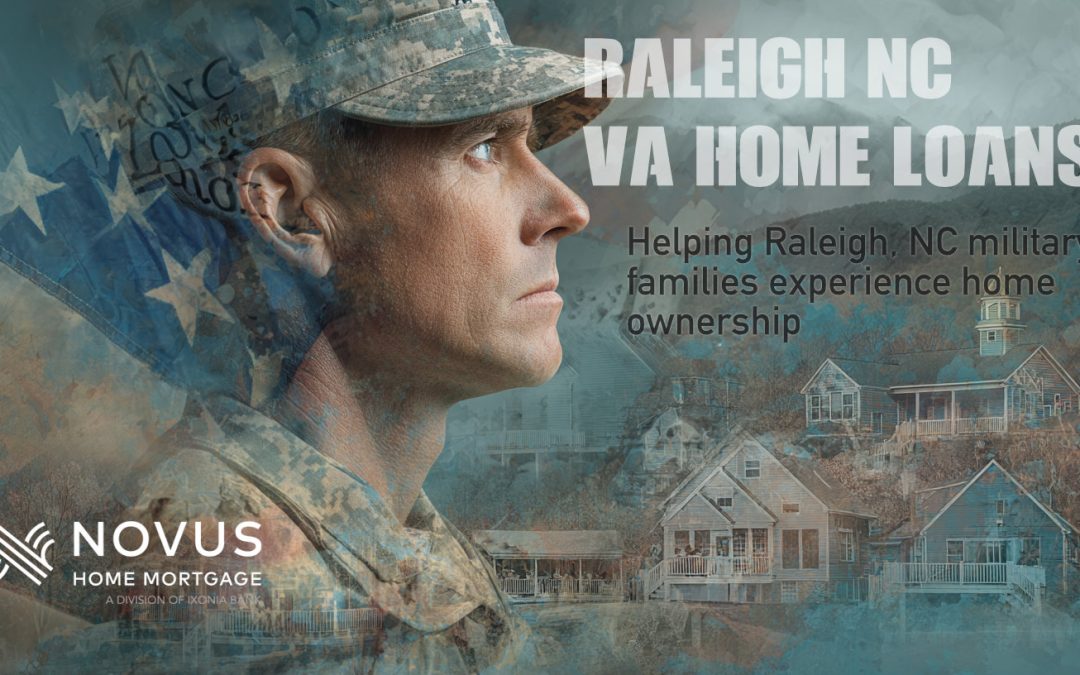
Raleigh, North Carolina, stands as one of the best cities in the Southeast for veterans and active-duty service members seeking to purchase a home using a VA loan. The area’s blend of strong economic growth, a welcoming community, quality-of-life amenities, and proximity to major military installations makes it an ideal environment for veterans looking to establish long-term roots. With affordable financing options and extensive veteran-focused support, Raleigh perfectly combines opportunity with stability. Here’s a comprehensive look at why Raleigh is such a compelling destination for veteran homebuyers—and the key benefits of living there.
Understanding VA Loans in Raleigh
VA loans are government-backed mortgages that help eligible veterans, active-duty service members, and their families purchase homes with favorable terms. These loans require little to no down payment, have no private mortgage insurance (PMI), and usually offer lower interest rates than conventional loans. For veterans seeking a home in Raleigh, this financing flexibility opens the door to affordable homeownership within one of North Carolina’s most desirable metro areas.
In the Raleigh region, VA loan limits for 2025 are set at $806,500, which covers nearly all typical home purchases without requiring a down payment. This makes home buying particularly attractive for veterans, even amid fluctuating housing market conditions. The combination of strong VA lending programs and Raleigh’s stable real estate trends ensures that veterans can secure homes suited for both current and future needs.
Raleigh’s Appeal to Veterans
Raleigh’s thriving economy, top-tier schools, safe neighborhoods, and steady job market make it a great fit for veterans transitioning into civilian life or settling down post-service. Its central position within the Research Triangle, alongside Durham and Chapel Hill, provides easy access to major employers, universities, and healthcare facilities—all while retaining a community-oriented atmosphere.
Additionally, Raleigh maintains close connections to key military installations, including Fort Liberty to the south and Seymour Johnson Air Force Base to the southeast. These nearby bases ensure veterans can access essential resources, continue to engage with military networks, or find civilian employment opportunities tied to military operations and contracting industries.
Why Raleigh is a Great Location for Veteran Home Buyers
1. Strong Job Market and Career Opportunities
As part of the Research Triangle region, Raleigh offers one of the most diverse and fast-growing job markets in the country. Veterans with backgrounds in technology, research, logistics, healthcare, and engineering find ample career opportunities in this region. With major employers like IBM, Lenovo, Cisco, and the state government positioned within the area, Raleigh provides stability and upward economic mobility for transitioning veterans ready to start their next chapter in civilian life.
2. Veteran-Friendly Community and Resources
Raleigh is home to numerous veteran support programs and organizations dedicated to assisting former service members. The Raleigh Vet Center offers free counseling, transition services, and mental health resources for veterans and their families. Additionally, local nonprofits, veteran business associations, and housing assistance organizations help military families succeed after service. The Department of Military and Veterans Affairs in North Carolina also provides statewide tax relief, veteran benefits advocacy, and educational grants—many of which can be used in conjunction with VA loans for housing affordability.
3. Excellent Quality of Life
Quality of life in Raleigh consistently ranks among the best in the nation. The city blends Southern charm with modern amenities—offering cultural attractions, family-friendly neighborhoods, and scenic parks. Green spaces like Umstead State Park and Lake Johnson provide opportunities for outdoor recreation and relaxation. Raleigh’s high safety ratings, well-maintained communities, and rich local culture make it a comfortable and enjoyable environment for families and retirees alike.
4. Affordable, Stable Real Estate Market
Despite national fluctuations, Raleigh’s housing market in 2025 has entered a more balanced phase, favoring buyers. Home prices have stabilized following years of expansion, with median home prices averaging approximately $465,000. With active VA loan programs supporting buyers up to the $806,500 threshold, most veterans are able to purchase homes with zero down payment. The region also offers diverse housing options—ranging from downtown condos and townhouses to spacious suburban homes in areas like Cary, Apex, and Wake Forest.
5. Access to Healthcare and Education
Raleigh’s healthcare infrastructure is exceptional. Veterans have access to multiple major hospitals, including those affiliated with Duke University and UNC Health, as well as specialized clinics and VA medical services. The Raleigh Vet Center offers physical and mental health resources, while the Veterans Affairs Medical Center in nearby Durham provides comprehensive healthcare for veterans living in the Triangle. For families, Raleigh’s excellent school system and proximity to universities such as NC State, UNC-Chapel Hill, and Duke produce abundant educational and professional development opportunities.
Five Benefits for Veterans Living in Raleigh NC
No Down Payment on VA Homes
Veterans can purchase homes in the Raleigh area with no down payment required under the VA loan program. This reduces upfront costs, enabling homeownership access even for those just transitioning from active duty.
Exemption from Private Mortgage Insurance (PMI)
Unlike conventional loans, VA loans do not require PMI, which lowers monthly payments substantially. This benefit translates to thousands of dollars saved over the life of the loan.
Access to Competitive Loan Rates
VA loans in Raleigh often come with interest rates lower than the average conventional mortgage. These reduced rates help veterans build equity faster and maintain more manageable monthly payments.
Property Tax Relief Programs
North Carolina offers partial or full property tax exemptions for veterans with service-connected disabilities. This program eliminates a large portion of recurring housing costs, making long-term homeownership even more affordable.
Strong Veteran Network
Raleigh’s robust network of veteran organizations, peer support groups, and community initiatives provides an invaluable sense of belonging. Whether for career mentorship, mental health services, or transitioning to civilian life, veterans can easily find support tailored to their unique experiences.
Steps to Success with VA Loans in Raleigh
The process of securing a VA loan in Raleigh follows a straightforward path when veterans prepare early and work with experienced VA lenders. It typically involves:
Obtaining a Certificate of Eligibility (COE):
The COE verifies a veteran’s eligibility for VA loan benefits and can be acquired through the VA or lender.
Pre-Approval:
Working with a VA-approved lender provides pre-approval, helping veterans understand their loan range and enhancing their position when making offers.
Choosing the Right Property:
Veterans should target homes that meet VA property requirements—safe, structurally sound, and ready for immediate occupancy.
Inspection and Appraisal:
VA-approved appraisers assess the property to ensure it meets value and condition standards.
Closing with Confidence:
With the support of knowledgeable local lenders and real estate professionals, veterans in Raleigh can expect smooth closings within 30 to 45 days on average.
Conclusion:
Why Raleigh Is the Right Move for Veterans
Raleigh, North Carolina, is more than just a city; it’s a community that celebrates and supports its veterans. With its combination of economic opportunity, quality of life, and ready access to VA loan advantages, the area offers military families a chance to thrive while achieving stable homeownership. From strong healthcare and educational institutions to affordable housing and deep-rooted veteran networks, Raleigh checks every box for veterans seeking their next home.
For veterans ready to use their VA benefits, Raleigh stands as one of the most promising and fulfilling choices in North Carolina. Whether building a new career, raising a family, or enjoying retirement, this city provides the solid foundation veterans deserve after a lifetime of service. Start your journey towards VA loan benefits by connecting with a VA lender through downpaymentnc.org.
Raleigh VA Loan Q&A
Do I need a down payment to buy a home in Raleigh with a VA loan?
For most veterans, no down payment is required when using a VA loan to purchase a home in Raleigh. The VA loan allows eligible veterans, active-duty personnel, and qualifying spouses to finance 100% of a home’s value without needing to provide upfront cash.
Wake County’s 2025 VA loan limit is $806,500, covering nearly all home purchases in the Raleigh area, including suburbs like Cary, Apex, and Wake Forest.
Some veterans, however, choose to make a small down payment voluntarily to reduce their monthly payment and overall interest costs, but this is optional rather than required.
What credit score do I need to qualify for a VA loan in Raleigh?
The U.S. Department of Veterans Affairs does not require a specific minimum credit score for VA loans, but individual lenders set their own requirements.
In Raleigh, most VA-approved lenders prefer a minimum credit score around 620, though some may approve lower scores with strong compensating factors—such as steady income, low debt-to-income ratios, or larger reserves.
Improving your credit score before applying can help you lock in better mortgage rates and terms.
Are VA appraisals stricter than conventional loan appraisals in Raleigh?
VA appraisals aren’t necessarily stricter—they’re just designed to protect veterans by ensuring the property is safe, sound, and sanitary before purchase.
In Raleigh’s competitive housing market, appraisers will:
-
Verify that the property is priced fairly based on comparable home sales (to prevent overpayment).
-
Inspect structural and safety issues like roof condition, heating, plumbing, and electrical systems.
-
Confirm that the home meets VA Minimum Property Requirements (MPRs) to ensure it’s livable from day one.
If minor repairs are needed, sellers typically address these for the deal to close smoothly.
4. What benefits do veterans have when buying a home in Raleigh?
Raleigh and the surrounding Triangle area are among the most veteran-friendly markets in North Carolina. Top benefits include:
- Zero down payment with VA loans and no private mortgage insurance (PMI).
- Low interest rates compared to conventional loans, especially for qualified veterans.
- Property tax relief for 100% disabled veterans through North Carolina’s state exemption program.
- Access to veteran resources, including the Raleigh Vet Center and nearby VA medical clinics.
- Strong job opportunities in tech, healthcare, and government sectors ideal for veterans transitioning to civilian life.
Together, these benefits make homeownership more affordable and sustainable in the region.
How can I make my VA offer more competitive in Raleigh’s fast housing market?
Raleigh’s housing market remains active and competitive, but veterans can strengthen their offers by taking a few strategic steps:
-
Get pre-approved early: A strong VA pre-approval letter shows sellers you’re financially ready and serious.
-
Work with a VA-savvy lender and real estate agent: Professionals familiar with VA loans can expedite the process and reassure sellers about smooth closings.
-
Ask for seller concessions: VA loans allow sellers to contribute toward closing costs and the VA funding fee, reducing your cash outlay.
-
Target move-in-ready homes: Properties that already meet VA appraisal standards minimize delays and repair negotiations.
By combining these tactics, veterans can confidently compete for homes across Raleigh, from suburban Cary to rapidly growing North Raleigh neighborhoods.